Alaska was purchased from Russia at the end of the American Civil War for $7.2 million or 2 cents per acre. At the urging of many Alaskan natives, Alaska joined the Union and gained statehood in January 1959. The average Alaskan is young, with a median age of 29.4 years. According to the 1990 census, the population of Alaska is just over half a million; 15.6 percent are Alaskan natives. Over half of the population lives in the Southcentral region near Anchorage.
History of Alaska:
Alaska - the name derived from the Aleut terms of Alashka and Alaesksu meaning "mainland close to their islands." The name Alaska denotes "The Great Land."
Alaska's vast frontiers are filled with beautiful scenery. The highest mountain in North America, Mt McKinley stands at 20,320 feet. Glaciers cover 29,000 square miles of Alaska's land. Glaciers are hugh sheets of ice, some several miles deep, that were formed over many years and advance very slowly in the waters.
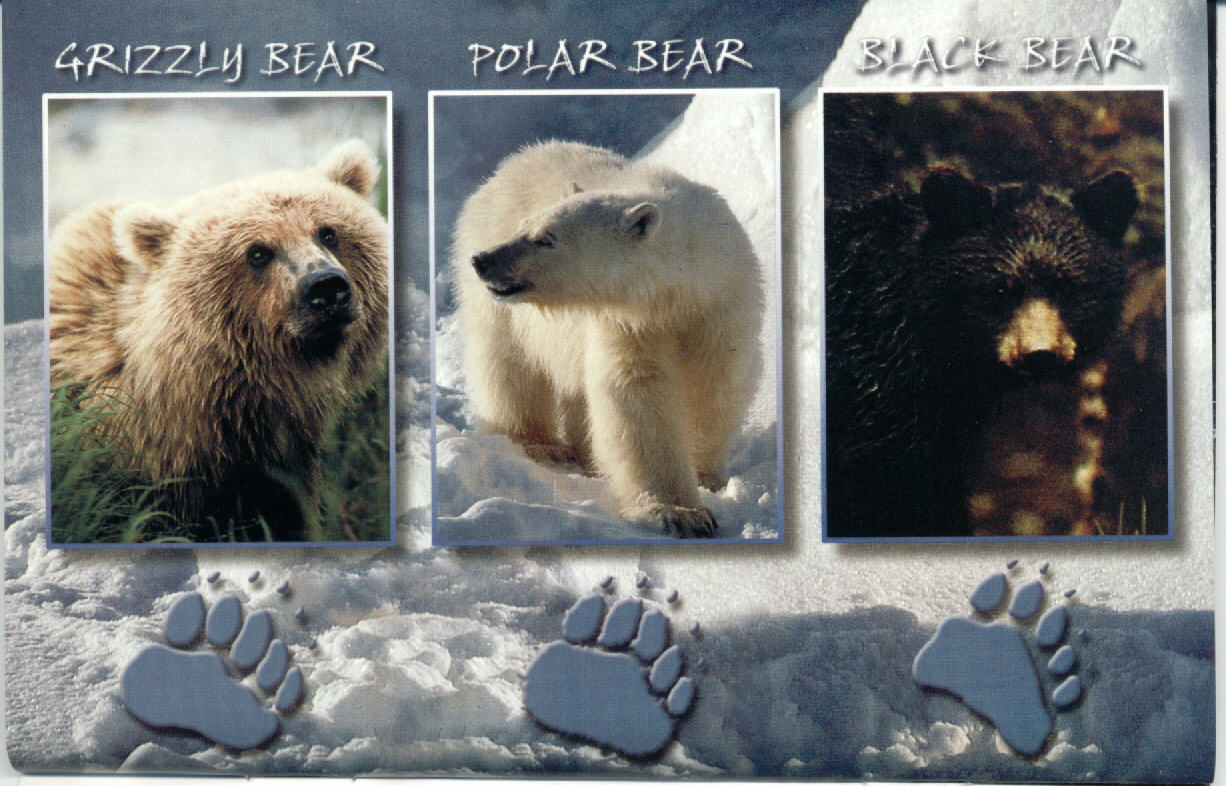
Wildlife thrives in Alaska, from the largest bear in the world, the Kodiak Brown Bear to fifteen species of whales, including Blue. Grey. Bowhead, Humpback, Orca and Beluga can be found in the waters along Bald Eagles than all other states combined.
Alaska is rich with culture and diversity. Tlingit, Haida, Tsimshian and the Aleut Indian comprise the largest groups of native Inhabitants.
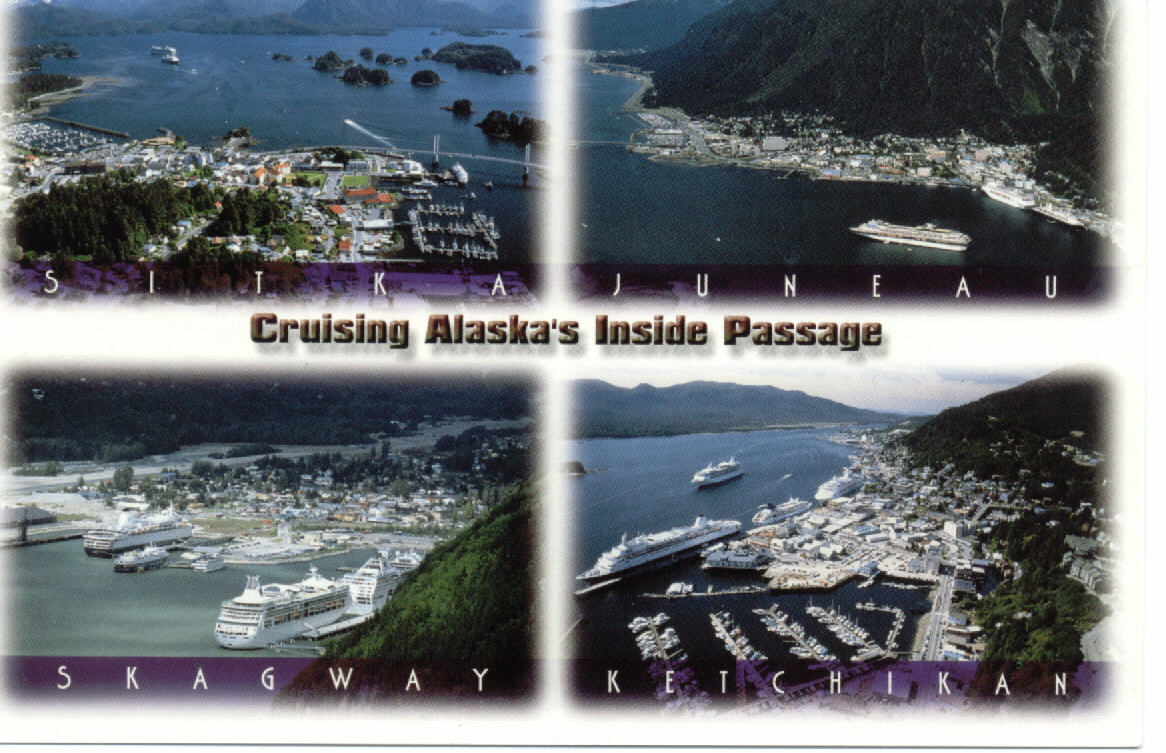
Below are some of the places we visited and some pictures we took.
Alaska is truly a Great Land. It is the United States biggest state.
Size: 586,412 square miles Alaska is as wide as the lower 48 states and larger than Texas, California, and Montana combined.
Biggest Mountain: (North American Continent) Mt. McKinley, 20,320 feet (5,193 m.) 10 peaks higher than 15,000 feet.
Yukon River: Nearly 2,000 miles, 3rd longest in North America.
Coastline: Alaska has more coastline than all other states combined.
Earthquake: March 27, 1964, North America's strongest earthquake - 9.2 magnitude. Out of the world's top 10 earthquakes, 3 took place in Alaska.
Glaciers: There are more active glaciers in Alaska than the rest of the inhabited world. The Malispina Glacier is 850 square miles - bigger than Sweden.
On August 21 through August 28, a few villagers, namely, Dr. Chic Ste, Artie P, Asquith P, and Fred Ste. went on an Alaskan cruise on the Diamond Princess cruise line. It was an excellent cruise.
Click on the three dots above to mute and unmute the music.